Bethlehem Historic District Renovation Approvals Before Selling
August 20, 2026
August 20, 2026
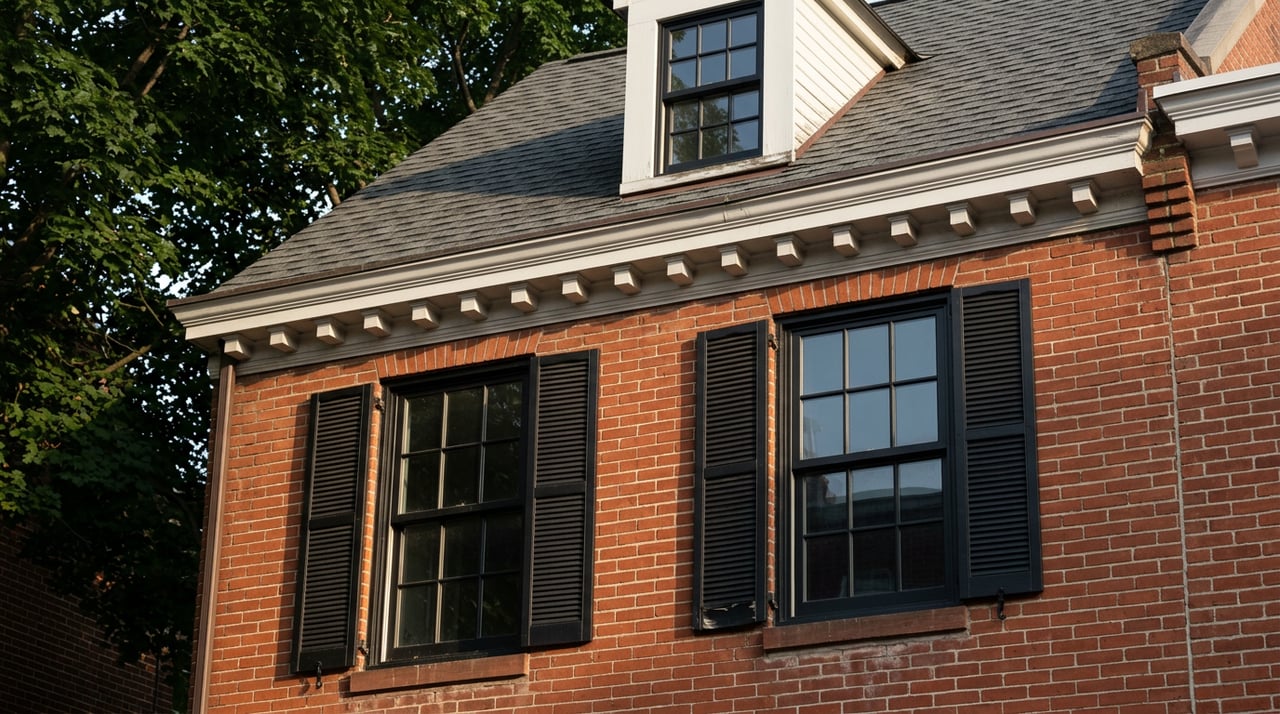
A seller in the Bethlehem Historic District recently wanted three things done before her home hit the market: a new roof, three sets of wood shutters on the street-facing side, and a freshly painted front door. On paper, that is a long weekend for a good contractor. In her neighborhood, it was a multi-week process that ran through two separate city bodies before a single shingle could go up.
That gap between what a pre-listing punch list looks like and what it actually takes to execute is the thing most sellers in Bethlehem's historic districts get wrong. They budget in dollars. The real cost is calendar time, and it moves on a schedule the homeowner does not control.
The City of Bethlehem says HARB, the Historic Architectural Review Board, meets once a month, on the first Wednesday at 5:00 PM in Town Hall, and complete applications are due four weeks ahead of that meeting date.
The Historic Conservation Commission, or HCC, meets on the third Monday of each month at 6:00 PM, also in Town Hall.
Neither board has the final word. The Bethlehem Historic District Association explains that both are recommending bodies. Once HARB or the HCC votes on an application, the recommendation still goes to City Council, which is the entity that actually issues or denies the Certificate of Appropriateness, known as a COA.
That second gate is the part sellers tend to miss. A homeowner who hears "the board approved it" often assumes the project can start. In practice, the board's vote is a recommendation forwarded to Council, and Council's calendar is its own variable layered on top of the monthly board meeting.
An interior kitchen remodel falls outside HARB's jurisdiction.
None of this is theoretical. Recent City Council resolutions show exactly how routine these requests are, and how specific the review gets.
A City of Bethlehem resolution documents a property on Linden Street going through the Certificate of Appropriateness process for GAF Slateline shingles in Antique Slate, three sets of wood shutters on the street-facing facade, and a repainted front door. A City of Bethlehem Certificate of Appropriateness for a home on North New Street covered a roof replacement, also to GAF Slateline shingles in Antique Slate, with conditions attached: new chimney and roof flashing had to be real copper, and the aluminum drip edge had to match the trim color of the house next door. A City of Bethlehem Certificate of Appropriateness for a third property on Center Street covered painting shutters, the front door, flower boxes, and wood trim.
None of these are major renovations. They are the kind of pre-listing refresh almost any seller would consider standard. Every one of them still required an application, a board meeting, and a City Council resolution before work could begin.
At the far end of the spectrum, a WFMZ report describes a South New Street case where a developer sought approval to demolish several structures, including the Italianate facade of a building at 321 to 323 South New Street, to make way for a seven-story mixed-use building with ground-floor retail and residential units above. The applicant had to submit a hardship analysis showing that integrating the existing historic facade into the new construction would cost $250,800, and the commission accepted that as documented evidence of undue economic hardship before allowing demolition to proceed. Most sellers will never touch a project at that scale, but the case shows how seriously the city treats the visible exterior, whether the ask is a $250,000 facade decision or a $200 can of paint.
Because the process runs on fixed monthly meetings rather than on-demand appointments, the smart move is to plan from the listing date backward, not from the contractor's schedule forward.
Start with the target date you want photos taken. Then work back through each required step: the time for City Council to place the item on an agenda and vote, the board meeting itself, the four-week application deadline ahead of that meeting, and the time needed to actually prepare a complete application with drawings or material specifications where required. For a straightforward request like a roof or shutter color, that stack alone often runs six to eight weeks before a permit exists, and that is before a contractor even schedules the labor.
For anything involving new construction or demolition, the runway extends further. Those applications must be submitted four weeks ahead of the meeting and require a preliminary meeting with the city's Historic Preservation Officer before the application can even be filed.
If your ideal listing date is closer than eight weeks away and your punch list includes street-visible exterior work, either the timeline needs to move or the project needs to.
The historic district process is not the only city-specific step layered on top of a typical Pennsylvania home sale here. Bethlehem's own municipal code requires that a report on any uncorrected violations of housing, building, safety, or fire ordinances be prepared and attached as an addendum to the agreement of sale, separate from the state's standard Seller's Property Disclosure Statement. It is a smaller step than the COA process, but it is another example of the same pattern: Bethlehem asks more of sellers on paper than a national portal listing will ever show.
If your home sits in the Central Bethlehem Historic District, the South Bethlehem Historic Conservation District, or the Mount Airy Neighborhood District and you are planning exterior work before you list, a few habits save real time.
None of this changes what makes these homes desirable. Bethlehem's Central National Register Historic District is the oldest in the Commonwealth of Pennsylvania, and the city carries five National Register Historic Districts in total. That depth of preserved character is exactly what buyers respond to in listing photos. The trick is making sure the photos exist on the timeline you actually need.
Do interior changes to a home fall under HARB jurisdiction? No. An interior kitchen remodel falls outside HARB's jurisdiction.
If I am only repainting an existing color, not changing it, do I still need HARB review? Routine repainting or repair that does not change anything does not require HARB review.
If you are weighing a pre-listing project in one of Bethlehem's historic districts, or just want to understand how the timeline affects your specific address, Jamie Elstner can help you map the calendar before you commit to a contractor. Let's Connect.
This article is general information, not legal, tax or financial advice. Consult a qualified professional about your situation.
Stay up to date on the latest real estate trends.
When you work with Jamie, you gain a knowledgeable advocate dedicated to protecting your interests, simplifying the process, and helping you achieve your real estate goals.