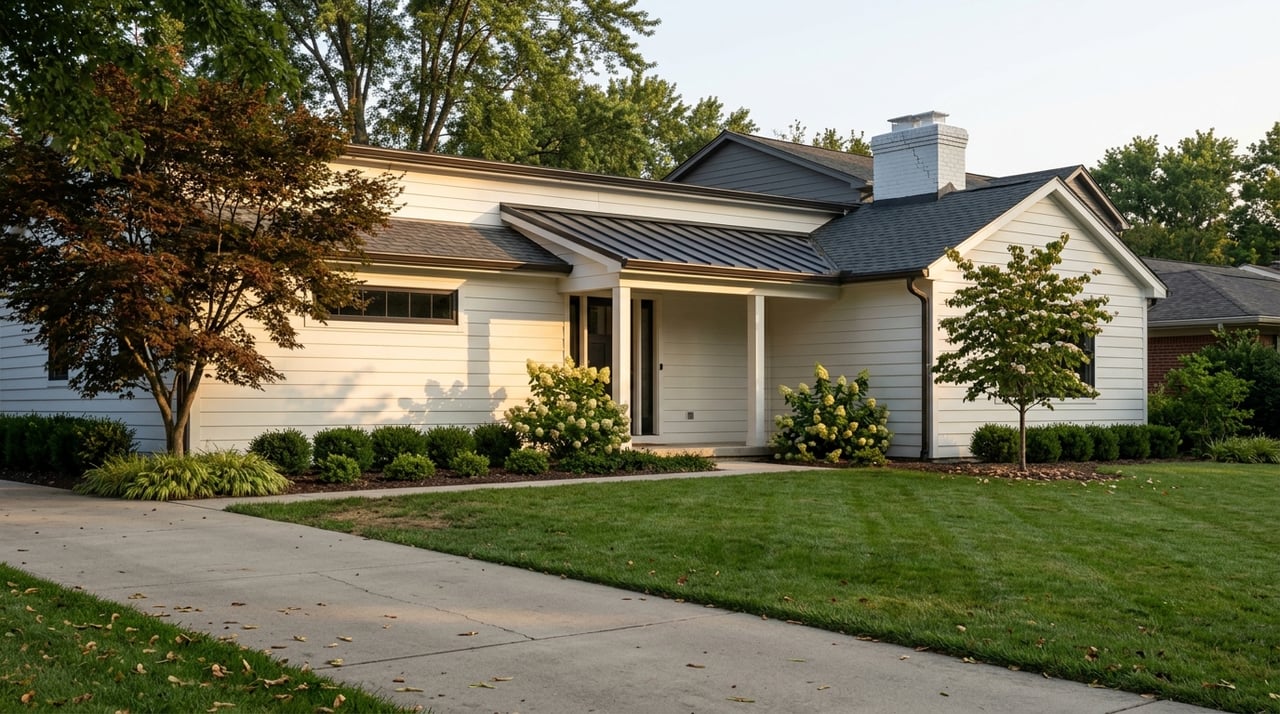
Macungie Sewer Lateral Inspections Before You Sell
August 27, 2026
August 27, 2026
A homeowner lists a house with a Macungie, PA address, hires a real estate photographer, and waits for offers. The offer comes in, the buyer schedules a home inspection, and everyone assumes the inspection covers what needs covering. Then a letter arrives from a township office the seller has never called before, asking for a video inspection report on a sewer line nobody thought to check. The closing date that looked comfortable a month ago now has three weeks of slack instead of six.
This happens often enough in the Macungie area that it deserves its own explanation, because the confusion isn't about competence. It's about geography. "Macungie" on a listing sheet can mean Macungie Borough, Lower Macungie Township, or Upper Macungie Township, three separate municipal governments that share a mailing convention but not a rulebook. Each one runs its own point-of-sale sewer lateral inspection program, and none of them is handled by the buyer's home inspector. If a seller assumes the process is the same everywhere inside that mailing address, the assumption is the thing that costs time.
Lower Macungie Township, Upper Macungie Township, and the Borough of Macungie each maintain their own sewer systems and their own ordinances governing what has to happen to that system before a property changes hands. Lower Macungie Township's municipal offices sit on Brookside Road, while Upper Macungie Township's service area extends out toward Breinigsville. The Borough of Macungie is its own small, separate government inside that same general footprint. All three show up in casual conversation, and sometimes on marketing materials, as simply "Macungie."
The practical difference shows up the moment a property goes under contract. Lower Macungie Township's Building Sewer Inspection Program, enacted under Ordinance No. 2020-03 and codified in Chapter 18, Section 18-406 of the township code, requires the selling owner to retain a licensed journeyman or master plumber to perform a video inspection of the building sewer and its connection to the sewer lateral before the sale closes. Upper Macungie Township runs a comparable but separately administered program under its own Ordinance 2007-6, which requires a plumber registered specifically with Upper Macungie Township, not just any licensed plumber, to complete the inspection and file the certified report with both the township and the buyer at or before settlement. The Borough of Macungie has its own version too. A dedicated Sewer Lateral Inspection Form sits on the Borough's own forms page, separate from either township's paperwork.
Here's the comparison a seller actually needs before listing:
| Jurisdiction | Governing Ordinance | Who Performs the Inspection | When It's Due |
|---|---|---|---|
| Lower Macungie Township | Ordinance No. 2020-03 (Code §18-406) | Licensed journeyman or master plumber | Prior to sale, transfer, or conveyance |
| Upper Macungie Township | Ordinance 2007-6 | Plumber registered with Upper Macungie Township | Filed with township and buyer at or before settlement |
| Macungie Borough | Borough sewer lateral inspection requirement | Confirm current requirement with Borough office | Confirm current timeline with Borough office |
Under Lower Macungie's ordinance, the video inspection isn't a formality. It's designed to catch a specific problem: stormwater, groundwater, or other prohibited drainage entering the sanitary sewer system through cracked or improperly connected building sewer lines. If the inspection turns up a defect, the ordinance places the repair squarely on the seller's side of the table. It has to be fixed, relined, or replaced before the sale closes, and a second video inspection has to confirm the fix before the township will sign off.
The upside for sellers who've already been through this once is that a passing result from Lower Macungie Township stays valid for up to two years. If a home changed hands recently and passed its inspection, a seller listing again soon after may not need to start from zero. That's worth a phone call to the township office before assuming the worst.
The complication is that "passing" and "trouble-free" aren't always the same thing. CDA Inspection, a local home inspection company that regularly handles these township-mandated video inspections in Lower Macungie, described a case where the camera work technically satisfied what the township required, but the footage showed heavy grease buildup inside the line. The report noted it, the inspector recommended a full hydro-jet cleaning anyway, and the homeowner chose to have it done before handing the report to the buyer. Nothing about that grease buildup would have failed the township's compliance check. It would, eventually, have become the new owner's problem. A seller who treats the inspection as a box to check, rather than a genuine look at the condition of a pipe they can't see, is trading a small cost now for a larger one showing up on someone else's watch.
Not every property inside these three jurisdictions sits on public sewer. A meaningful number of homes, especially older ones and those on larger lots, rely on an on-lot septic system instead. Lower Macungie Township's Sewage Management Program, put in place in 2013 to meet a Pennsylvania Department of Environmental Protection requirement, mandates that every on-lot system be cleaned out and inspected by a township-registered pumper or hauler at least once every five years. If a system is overdue, the property owner gets a notice and thirty days to produce an updated inspection receipt before it's treated as a violation.
This isn't framed as a sale-triggered requirement the way the sewer lateral program is, but it surfaces at the worst possible moment for a seller who hasn't kept track. A title search, a buyer's due diligence, or a lender's underwriting can all turn up a system that's quietly slipped past its five-year window. Anyone selling a septic-equipped home in Lower Macungie Township benefits from confirming the last cleanout date before the property ever hits the market, not after an offer arrives.
Macungie's market in August 2026 isn't sitting still. The median list price came in at $574,000, down 8 percent from the prior month and down 7 percent from the same month a year earlier. At the same time, homes are moving through the market considerably faster than they were a year ago, with the median days on market down sharply compared to August 2025. Put those two threads together and the picture is a market where pricing has softened slightly but buyer activity hasn't, which tends to reward sellers who can move cleanly through a contract without unplanned stalls.
A sewer lateral inspection that turns up a needed repair, or a septic cleanout that's years overdue, doesn't usually kill a deal outright. It delays it. In a market where days on market are already compressing, a two or three week hold for plumbing repairs and a re-inspection is the difference between closing inside a buyer's original financing window and asking for an extension. None of this shows up in a list price or a comparable sales report. It shows up in the fine print of a township code most sellers never open until someone hands them a letter.
The fix for all of this is straightforward once a seller knows to look for it. Before listing, confirm which of the three Macungie jurisdictions the property actually sits in, since the address alone won't settle it. Call that municipal office directly and ask whether a sewer lateral inspection or septic cleanout is on file, and if so, how recently. If the property is on public sewer and no recent inspection exists, schedule the video inspection with a licensed plumber early enough that any repair work and a required re-inspection can happen before a buyer's financing timeline starts running. If the property is on septic, pull the last cleanout date and confirm it falls inside the five-year window.
None of this needs to happen the week an offer comes in. It needs to happen before the sign goes in the yard.
Does the buyer's home inspector handle this for me? No. The buyer's general home inspection is a separate, privately arranged process focused on the condition of the structure and its systems. The sewer lateral inspection is a separate municipal process.
My house already passed a Lower Macungie inspection two years ago when I bought it. Do I need a new one? Possibly not. Passing results are valid for up to two years under the township's program, so if the timing lines up, a call to the township office can confirm whether the existing report still covers the upcoming sale.
I'm on well and septic, not public sewer. Does any of this apply to me? The sewer lateral video inspection is specific to properties connected to a public sewer system, so it wouldn't apply. What does apply, at least in Lower Macungie Township, is the separate on-lot Sewage Management Program requiring septic cleanout and inspection at least every five years. It's worth checking that record before listing rather than after a buyer's attorney asks for it.
Selling a home in the Macungie area rewards sellers who treat the paperwork with the same seriousness as the staging. If you're getting ready to list and want a clear read on which municipal requirements apply to your specific address, Jamie Elstner can help you map out the timeline before it becomes a surprise. Let's Connect.
This article is general information, not legal, tax or financial advice. Consult a qualified professional about your situation.
Stay up to date on the latest real estate trends.
When you work with Jamie, you gain a knowledgeable advocate dedicated to protecting your interests, simplifying the process, and helping you achieve your real estate goals.