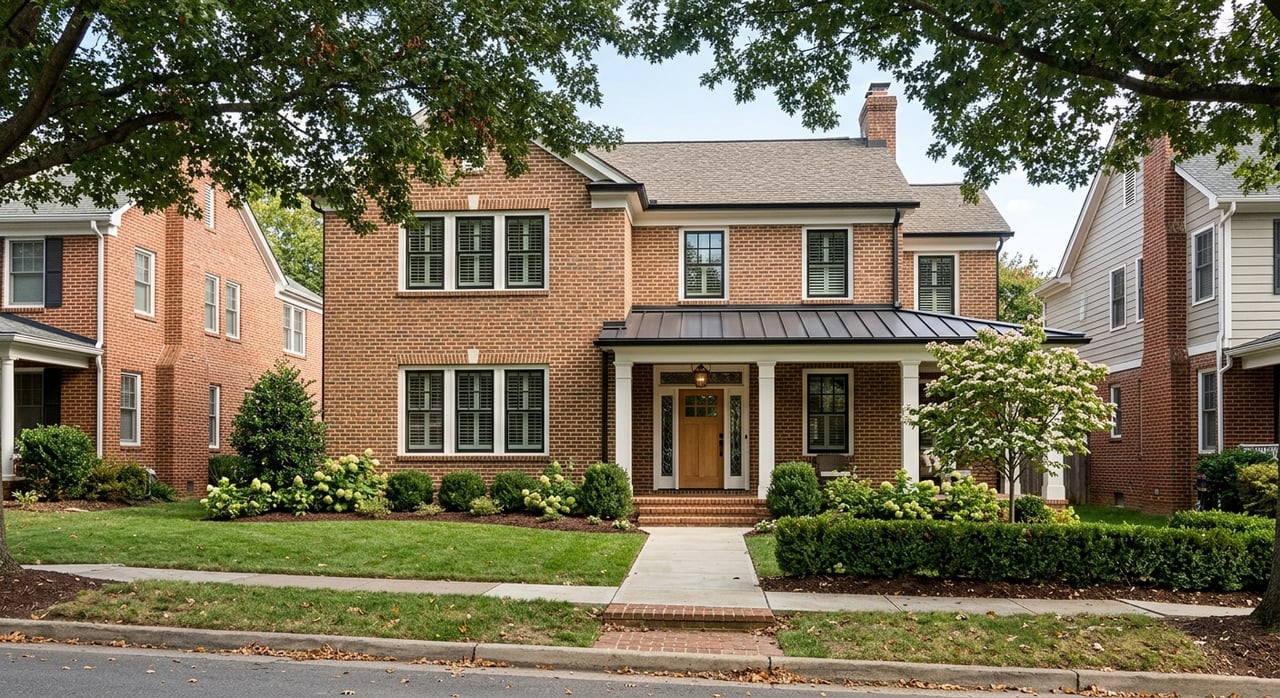
What It’s Like To Live In Bethlehem’s Historic Core
July 2, 2026
July 2, 2026
If you are drawn to places with real character, Bethlehem’s historic core can feel like a rare find. You get a compact downtown setting, a strong sense of place, and a daily backdrop shaped by centuries of history rather than new construction alone. If you are wondering what it actually feels like to live there, this guide will walk you through the pace, housing, and everyday lifestyle that define the area. Let’s dive in.
Bethlehem’s Central Historic District sits on the north side of the city, generally bounded by New Street, First Avenue, the Lehigh River, Broad Street, and Walnut Street. According to the city, it includes many of Bethlehem’s oldest surviving buildings, Main Street businesses, and the surrounding residential neighborhood.
This is not just a single tourist block or a museum setting. The district includes commercial, residential, and institutional properties, which gives it a more layered, lived-in feel. You are not stepping into a themed environment. You are stepping into an active part of the city where homes, shops, and civic spaces exist side by side.
One of the biggest draws of Bethlehem’s historic core is how connected it feels. Historic Bethlehem Museums & Sites describes the heart of the area as an approximately two-square-block center that the Moravian settlers treated as the center of their community.
That compact layout still shapes daily life today. Downtown Bethlehem is described by the city as a lively urban district with retail, office, and residential uses, along with nearby restaurants, cafes, and shops. If you enjoy being able to walk out your door and feel part of the rhythm of the city, this setting offers that kind of experience.
Walkability in Bethlehem’s historic core is less about checking a box and more about how your day can unfold. You may walk to a coffee shop, head down Main Street, or spend part of the weekend exploring nearby historic sites without needing to plan around a long drive.
The city’s Complete Streets policy also supports that lifestyle. Bethlehem states that it aims to make streets safer and more accessible for people who walk, bike, take transit, or drive. That does not mean every block feels the same, but it does show a clear local focus on a more connected, multi-use downtown environment.
Main Street is a defining part of the historic core, but daily life here extends beyond a postcard view. This is an area where shops, tours, seasonal events, and residential streets overlap in a way that keeps things active.
Historic Bethlehem Museums & Sites uses Main Street as the launch point for tours and holiday programming, and even its Schropp Dry Goods Shoppe was created as a retail experience inspired by an 1800s dry goods store. That mix of commerce and storytelling helps the district feel animated rather than static.
For residents, that means your surroundings may feel more eventful and more public-facing than a quiet subdivision. Some buyers love that energy. Others may want to think carefully about whether they prefer a setting with more activity built into daily life.
Living in a historic district does not mean giving up access to outdoor space. Bethlehem has a strong trail and park network that connects to Center City and nearby destinations.
The Monocacy Way Trail runs through Center City Bethlehem, and the Sand Island Trail links into the D&L Corridor. The Heritage Trail from Historic Bethlehem Museums & Sites can also be walked, jogged, or biked, with six links, 80 stops, and 275 years of history woven into the route.
If you like to build walking or biking into your day, that trail network can add a lot to the lifestyle here. You may have more options for casual movement, scenic routes, and car-light weekends than you would expect from a historic urban setting.
It also adds another layer to the neighborhood experience. The historic core is not only about architecture and events. It also gives you ways to connect with the city through recreation and exploration.
Some downtowns feel lively for a few months and then quiet down. Bethlehem’s historic core tends to stay active across the year because the event calendar shifts with the seasons.
In summer, Musikfest brings a 10-day celebration each August that ArtsQuest describes as the nation’s largest free music festival. During the holiday season, Christkindlmarkt at SteelStacks runs across multiple weekends from mid-November through late December and is described by ArtsQuest as one of the largest and most-attended Christmas markets in the nation.
The historic core also has its own traditions. Historic Bethlehem Museums & Sites offers the Christmas City Stroll through the Historic District, and the Central Moravian Putz has been running since 1937. Other annual touchpoints include the Thanksgiving-weekend Turkey Trot through Bethlehem’s Historic District and World Heritage Site, plus the Blueberry Festival at Burnside Plantation in summer.
If you enjoy a place with visible seasons and recurring traditions, Bethlehem’s historic core delivers that in a big way. The calendar can make the area feel festive, active, and distinctive far beyond a standard downtown dining scene.
At the same time, event activity can bring more visitors and more energy at certain times of year. For many buyers, that is part of the appeal. It is worth thinking about how much you want to be close to that kind of seasonal momentum.
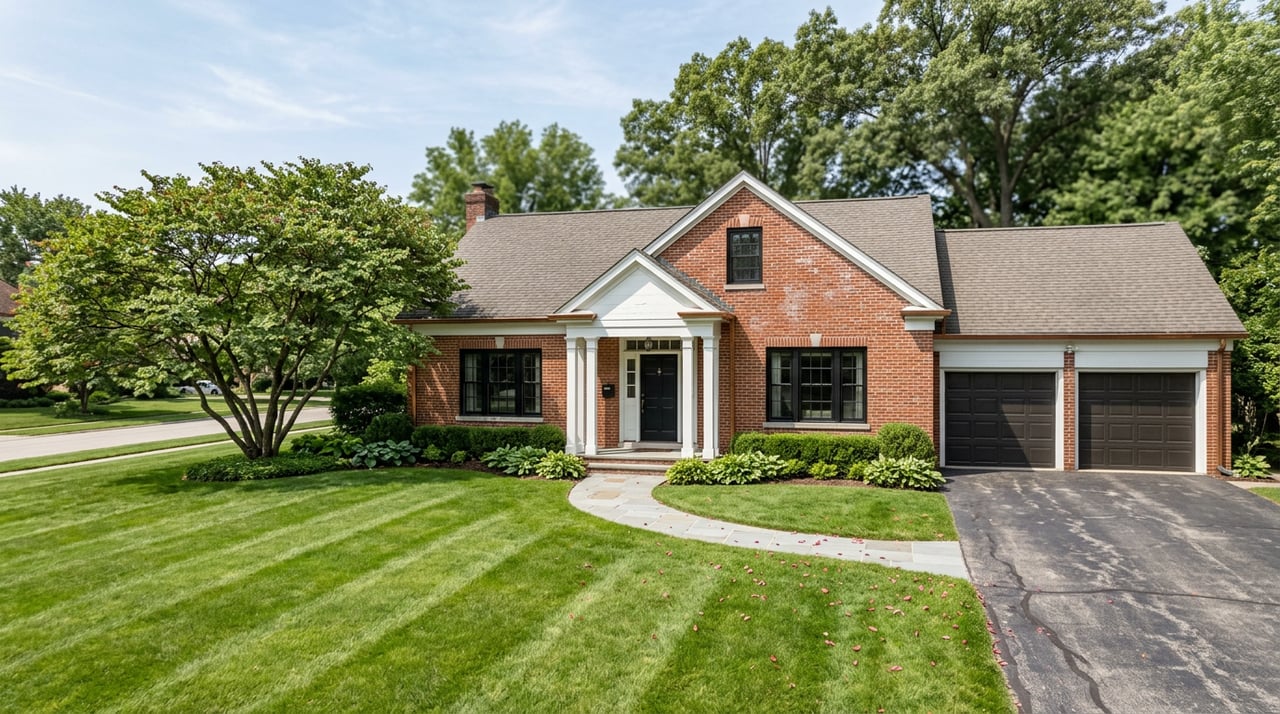
Housing is a major part of what makes this area different. Bethlehem’s housing study says the city’s median home age is 1955 and describes the local housing stock as a mix of older rowhouses, stately historic homes, pre-2000 suburban-style single-family development, and newer revitalization projects within the historic center.
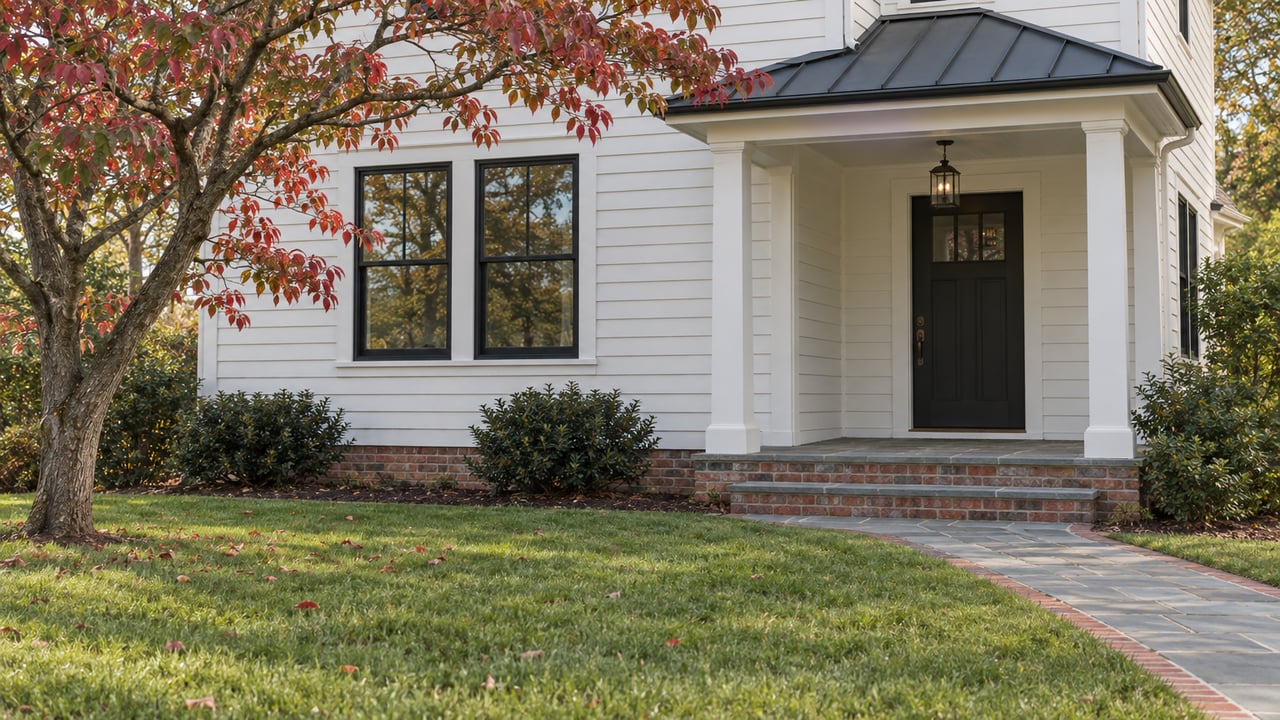
In the historic core, architecture is part of the lifestyle. The city’s guidance notes that Bethlehem’s development includes both high-style and vernacular buildings, while local preservation examples include interconnected mid-1800s homes and the 1810 Goundie House, believed to be the first brick residence in Bethlehem in the American Federal style.
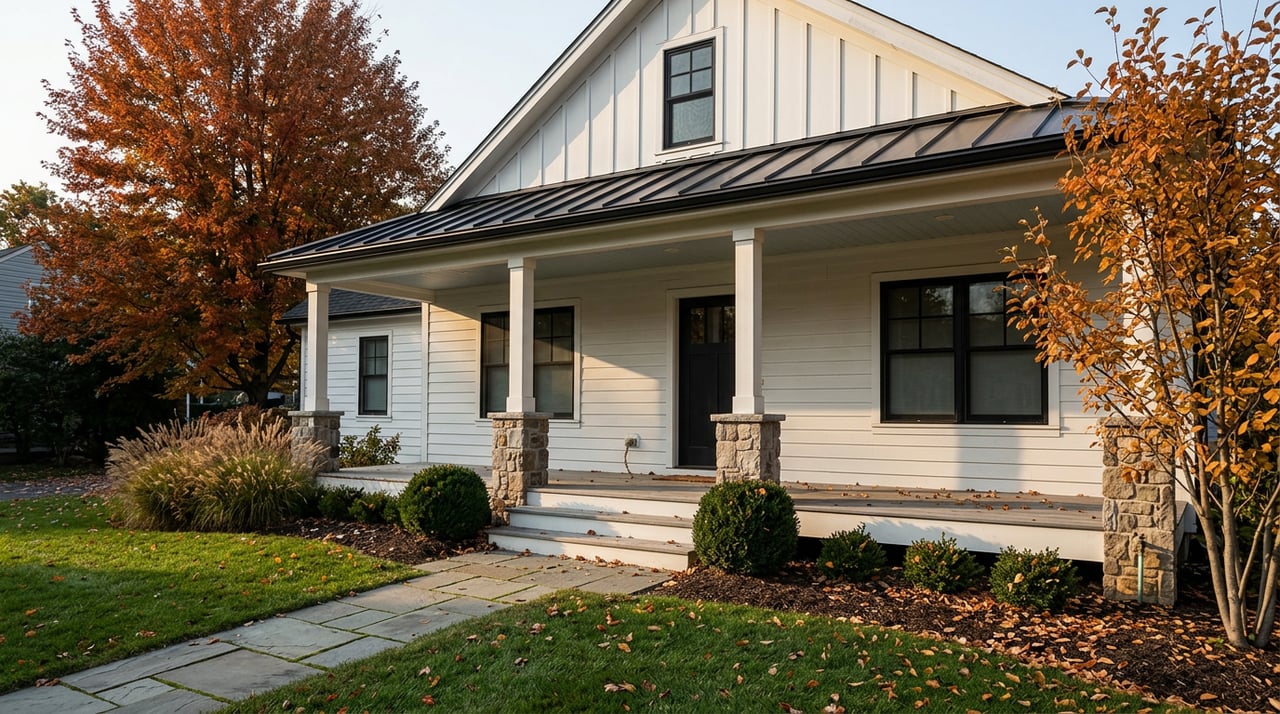
You may find details here that are hard to replicate in newer homes. Think established streetscapes, older materials, and homes that contribute to a strong visual identity. For buyers who value charm and setting, that can be a major advantage.
Buying in a historic district often means balancing charm with care. In Bethlehem’s Historic District, visible exterior changes require review by HARB and a Certificate of Appropriateness.
The city’s guidelines emphasize preserving porch materials, trim, and period-appropriate doors, while encouraging garage doors and other modern additions to remain visually unobtrusive. In simple terms, you cannot assume an exterior update will work the same way it would in a newer neighborhood.
If you are considering a home in the historic core, it helps to go in with clear expectations. Older homes can bring more maintenance, and exterior changes visible from the street may involve added review.
That said, the area is not frozen in time. Bethlehem also publishes sustainability guidance for older homes that addresses repair-versus-replacement decisions, energy efficiency, heating and cooling, and landscaping. The takeaway is that updates are possible, but they usually work best with a thoughtful, preservation-minded approach.
Bethlehem’s historic core can be a great match if you want a home that offers more than square footage alone. This area is especially appealing if you value walkability, architecture, local traditions, and a downtown setting with a clear sense of identity.
It may be a strong fit if you want:
It may require more thought if you prefer:
Historic districts are highly specific, and Bethlehem’s historic core is no exception. Two homes can be close together but offer very different maintenance needs, layout tradeoffs, and renovation considerations.
That is where local guidance can make a difference. When you understand not just the listing, but also the block, the setting, and the preservation context, you can make a more confident decision about whether the lifestyle truly fits your goals.
If you are thinking about buying or selling in Bethlehem and want practical, local insight, Jamie Elstner offers personalized guidance and clear communication to help you move forward with confidence.
Stay up to date on the latest real estate trends.
When you work with Jamie, you gain a knowledgeable advocate dedicated to protecting your interests, simplifying the process, and helping you achieve your real estate goals.